
Shopping online has always faced one major challenge. Customers cannot physically touch, test, or try products before buying. For fashion and beauty brands, this gap often leads to hesitation, abandoned carts, and returns. Today, that experience is changing rapidly thanks to AR filters and interactive video.
AR try-on video and interactive fashion video formats allow shoppers to see products in action, personalized to their own appearance. From virtual makeup try-on experiences to clothing previews that move with the body, these technologies are transforming how consumers explore products and how brands drive confidence, engagement, and conversions.
This article explores how AR and interactive video work, why they matter for beauty and fashion, and how brands can use them to build more immersive and trustworthy shopping experiences.
What AR and Interactive Video Really Mean in Ecommerce
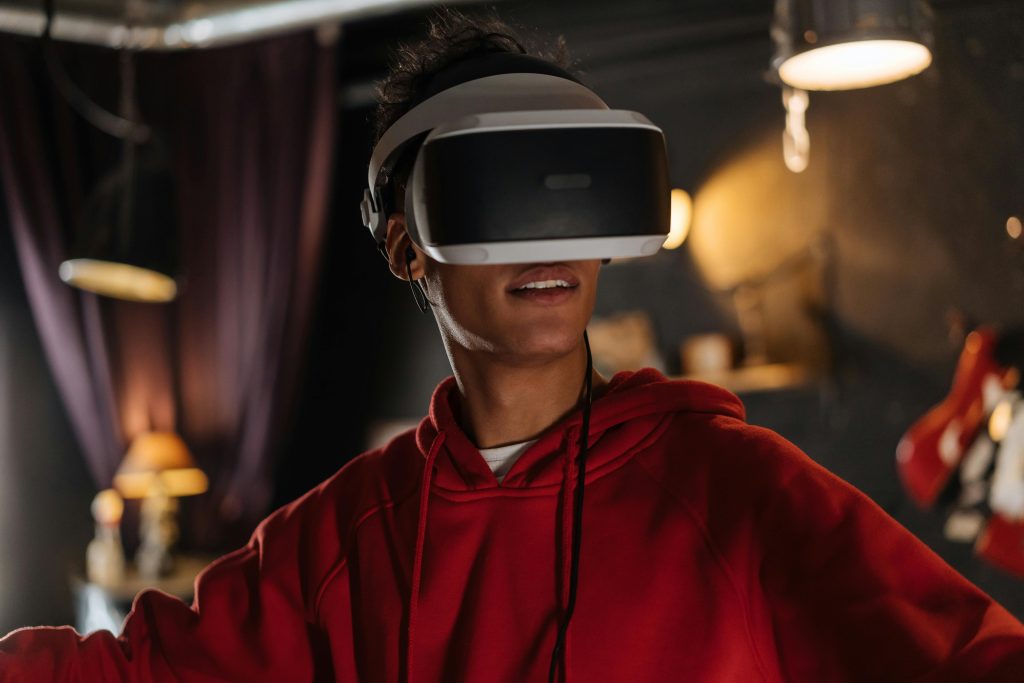
Augmented reality overlays digital elements onto the real world through a camera or screen. In ecommerce, this allows customers to visualize products on themselves or in their environment. An AR try-on video might show lipstick shades on a user’s face or sunglasses aligned to facial features in real time.
Interactive video takes engagement one step further. Instead of passively watching, viewers can tap, swipe, choose options, or trigger changes within the video itself. Interactive fashion video content allows shoppers to switch colors, styles, or looks while staying inside the same experience.
Together, these tools transform video from a one-way message into a two-way interaction.
Why Try-On Experiences Matter More Than Ever
Online shoppers want reassurance. They want to know how a product looks on them, not just on a model. Static images and standard videos help, but they cannot fully answer personal questions like shade match, fit, or proportion.
Virtual try-on experiences solve this problem by reducing uncertainty. When customers can see a product on their own face or body, confidence increases. This confidence often leads to higher conversion rates and fewer returns.
For beauty brands, AR try-on video helps customers explore shades, finishes, and textures safely and instantly. For fashion brands, interactive video shows how clothing moves and fits in real-life scenarios.
RECOMMENDED: Step-by-Step: Producing Tutorial Videos That Convert
How AR Try-On Video Works Behind the Scenes

AR try-on technology relies on computer vision and facial or body mapping. The system identifies key points such as eyes, lips, cheekbones, or body outlines, then applies digital products accurately in real time.
In beauty product AR video experiences, this means makeup adjusts naturally as the user moves. Lipstick stays aligned. Eyeshadow follows eyelid movement. Skin tone adapts to lighting conditions.
In fashion, AR overlays garments or accessories while accounting for scale and perspective. Interactive video elements allow users to rotate views, change colors, or compare styles without leaving the page.
Behind the scenes, these systems are carefully tested to ensure accuracy and realism, which is critical for building trust.
The Psychology Behind Virtual Try-On Success
Try-on experiences work because they tap into human psychology. When shoppers actively participate, they feel more invested. Interaction creates a sense of ownership before purchase.
Virtual makeup try-on tools also reduce social pressure. Customers can experiment privately without sales staff or public judgment. This freedom encourages exploration and longer engagement times.
Interactive video triggers curiosity. Each tap or choice feels rewarding. The more time users spend interacting, the stronger their emotional connection becomes.
This emotional engagement often matters more than product specifications alone.
RECOMMENDED: Behind the Scenes of Fashion Brand Video Campaigns
Interactive Fashion Video as a Storytelling Tool

Interactive fashion video content is not just about functionality. It is also a powerful storytelling medium. Brands can guide viewers through curated experiences that feel personal and immersive.
Imagine a fashion video where viewers choose which outfit a model wears next or select accessories that match their style. Each choice reinforces the idea that the brand understands individual preferences.
This approach shifts fashion marketing from broadcasting trends to inviting participation. Shoppers become part of the story rather than passive observers.
Use Cases Across Beauty and Fashion
AR and interactive video can be applied in many creative ways. Brands often start small and scale as they learn what resonates.
Common Beauty Applications
- Virtual makeup try-on for lips, eyes, and face products
- Skincare visualization to explain coverage or texture
- Shade matching tools embedded in video
- Step-by-step tutorials enhanced with AR overlays
Common Fashion Applications
- Virtual try-on for accessories like glasses or hats
- Interactive lookbooks with clickable outfits
- Size and fit previews using body mapping
- Mix-and-match styling videos
These experiences reduce friction and make shopping feel more intuitive.
RECOMMENDED: Short-Form Video Strategies for Influencers in Beauty & Fashion
How Interactive Video Improves Engagement Metrics
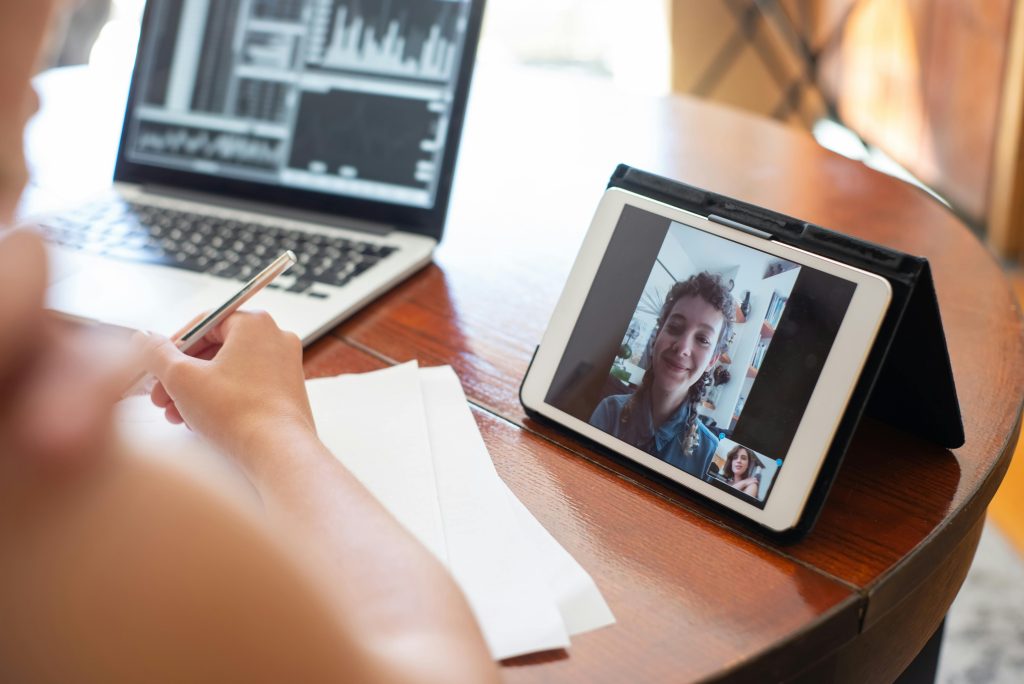
Traditional videos rely on attention alone. Interactive video encourages action. Viewers do not just watch. They explore.
Brands using interactive fashion video often see longer watch times because users stay engaged to try different options. Click-through rates improve because calls to action are built into the experience rather than placed at the end.
AR try-on video also increases repeat engagement. Users often return to test more products, shades, or styles. This repeat interaction strengthens brand recall and loyalty.
Integrating AR Try-On Into the Customer Journey
For best results, AR and interactive video should fit naturally into the shopping flow. Placement matters.
Many brands embed virtual try-on experiences directly on product pages. Others introduce them through social media filters that link back to ecommerce stores.
Internal linking plays an important role here. Brands often connect AR try-on pages to related tutorials, product guides, or style articles on their websites. This improves user experience and helps search engines understand content relationships.
For example, a virtual makeup try-on page might link to a detailed skincare routine article or a makeup tutorial hub.
RECOMMENDED: How Video Marketing Drives Ecommerce in Beauty and Fashion
The Role of Social Platforms in AR Adoption

Social platforms have accelerated AR adoption by making filters easy to access and share. Beauty product AR video filters on social apps allow users to try looks instantly and share results with friends.
This social sharing turns customers into brand advocates. When users post their try-on experiences, they generate authentic visibility and word-of-mouth marketing.
Many brands also collaborate with creators to showcase interactive video experiences. Influencers help demonstrate real-life usage while encouraging followers to try the filters themselves.
Challenges Brands Should Consider
While AR and interactive video offer powerful benefits, they require thoughtful execution.
Accuracy is critical. Poor alignment or unrealistic visuals can damage trust. Performance matters as well. Slow-loading experiences frustrate users and reduce engagement.
Accessibility should not be overlooked. Clear instructions and intuitive interfaces help users of all technical levels enjoy the experience.
Brands often test AR features extensively before full rollout to ensure smooth performance across devices.
RECOMMENDED: How Streaming Platforms Use Video for Engagement and Retention
Measuring the Impact of AR and Interactive Video

Success goes beyond views. Brands track deeper metrics to understand performance.
Common indicators include:
- Time spent interacting with the experience
- Conversion rates after try-on usage
- Reduction in return rates
- Repeat visits and engagement
- Social shares and saves
These insights help refine experiences and justify investment.
External research from ecommerce and technology publications often highlights how interactive experiences correlate with improved buyer confidence and satisfaction. Referencing trusted industry resources adds credibility to brand strategy discussions.
Future Trends in Virtual Try-On Experiences
AR and interactive video continue to evolve. Experiences are becoming more personalized, more realistic, and more integrated across platforms.
Personal data, when used responsibly, allows systems to recommend shades, styles, or fits tailored to individual users. Interactive video may soon adapt dynamically based on viewer behavior.
Despite technological advances, the core goal remains the same. Helping customers feel confident in their choices.
Best Practices for Brands Getting Started
Brands new to AR and interactive video benefit from starting with clear objectives.
Focus on solving one customer problem. Improve shade selection. Reduce fit uncertainty. Increase engagement with a hero product.
Collaborate closely with creative, technical, and marketing teams. AR try-on video works best when design, storytelling, and usability align.
Testing and iteration are key. User feedback often reveals simple improvements that dramatically enhance performance.
RECOMMENDED: Video Production Tips for Indie Game Studios on a Budget
A New Standard for Digital Try-On Experiences
AR filters and interactive video are redefining how customers experience beauty and fashion online. They replace guesswork with clarity and turn browsing into participation.
From virtual makeup try-on tools to interactive fashion video storytelling, these technologies create experiences that feel personal, engaging, and trustworthy. Brands that adopt them thoughtfully build stronger connections and reduce barriers to purchase.
As digital shopping continues to evolve, AR try-on video and interactive video are no longer experimental features. They are becoming essential tools for brands that want to meet modern customer expectations and stand out in a competitive marketplace.


